Tiny House Regulations Explained Before You Buy Or Sell Small
Tiny houses didn’t sneak in quietly. They kicked the door down. Rents climbed, land got pricey, and people got tired of paying for rooms they barely used. That’s how we got here. But tiny house regulations never caught up cleanly, and that’s where folks get tripped.
I’ve seen it happen more than once. Someone buys a tiny home for sale, parks it on a piece of land, and then — boom — code enforcement shows up. Not because tiny homes are illegal everywhere, but because the rules change block by block. City to city. Sometimes street to street. That’s the reality, messy and uneven.
This guide isn’t sugarcoated. It’s meant to help you understand how tiny house regulations actually work, how tiny homes for sale fit into those rules, and where people usually mess up. If you’re serious about going small, you need the full picture, not the Instagram version.
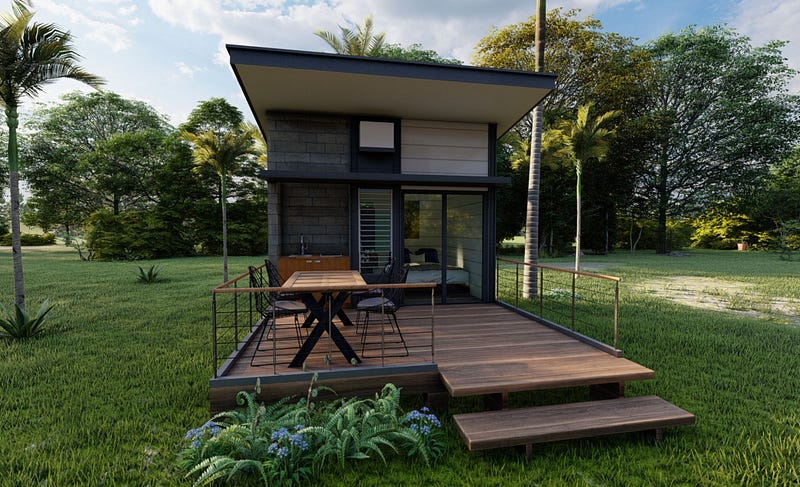
What Tiny House Regulations Actually Mean In Practice
When people hear “regulations,” they think one rulebook. Nope. Tiny house regulations are a stack of local zoning laws, state building codes, and sometimes federal standards layered together like bad lasagna.
Some places treat tiny homes as RVs. Others treat them like single-family houses. And a few don’t know what to do at all, which can be worse. That confusion matters when you’re buying a tiny home for sale or planning to build one yourself.
Minimum square footage rules are the biggest sticking point. Many areas require homes to be at least 600–1,000 square feet. That instantly knocks out most tiny houses unless there’s an exception written into local code. No exception, no approval. Simple as that.
Tiny Homes On Wheels Vs Foundations: Big Legal Difference
This part gets glossed over online, but it’s huge. A tiny house on wheels is usually not considered a permanent dwelling. It’s often classified as an RV or a movable structure. That changes everything.
If you’re buying a tiny home for sale on wheels, you’ll probably need RV certification, not residential occupancy approval. Some cities allow RV living only in RV parks. Others allow it temporarily on private land. Permanently? That’s rare.
Foundation-based tiny houses play by different rules. They’re more likely to be approved as accessory dwelling units or small single-family homes, assuming zoning allows it. But foundations mean permits, inspections, and higher upfront costs. There’s no free lunch here.
Zoning Laws: The Silent Deal-Breaker
Zoning laws don’t get enough attention, and they should. Zoning decides what you can build, where you can live, and how long you can stay there. Tiny house regulations live and die by zoning.
Some zones allow ADUs. Some allow single-family homes only. Some allow nothing residential at all. You could own land outright and still be barred from placing a tiny home for sale on it legally.
Rural areas are usually more flexible, but not always. Counties may allow tiny homes but require septic systems, well water approvals, or setbacks that kill the plan. Always check zoning first. Always. Before money changes hands.
Building Codes And Why They Matter More Than You Think
Building codes aren’t optional. Even if someone tells you otherwise. If your tiny home is on a foundation, it usually has to comply with IRC standards or a modified version of them.
Some states adopted Appendix Q, which allows smaller ceiling heights and loft access. Others didn’t. That one detail can decide whether your tiny house regulations work in your favor or shut you down entirely.
If you’re shopping for a tiny home for sale, ask what code it was built under. No paperwork? Walk away. Codes protect you, not just the city. Bad wiring and poor framing don’t care how cute the house looks.

Financing And Insurance: The Hidden Roadblocks
Here’s something people don’t expect. Even if your tiny house is legal, financing and insurance can still be a nightmare. Banks don’t love anything non-standard.
Tiny homes on wheels usually require personal loans or RV loans. Foundation homes might qualify for mortgages, but only if they meet local tiny house regulations and appraisal standards. That’s a big “if.”
Insurance companies ask the same questions. Is it movable? Is it permitted? Is it occupied full-time? If you can’t answer clearly, coverage gets expensive or denied outright. And without insurance, you’re gambling.
Buying A Tiny Home For Sale Without Regret
Not all tiny homes for sale are created equal. Some are well-built, code-compliant, and ready to live in. Others are DIY experiments with good marketing photos.
Before you buy, confirm where the home can legally go. Ask sellers directly. If they dodge the question, that’s your answer. A tiny home that can’t be legally placed is basically a fancy shed.
Transport matters too. Weight ratings, trailer quality, axle ratings. These details don’t feel exciting, but they matter when you’re moving a house down the highway at 60 mph.
Land Ownership Vs Renting Space For Tiny Homes
Owning land gives you control, but also responsibility. You’ll deal with zoning, utilities, and long-term compliance. Renting space in a tiny home community or RV park simplifies some things, but limits others.
Some parks welcome tiny homes for sale. Others don’t. And rules change. A place that allows tiny homes today may change management next year. That uncertainty matters if you plan to stay long-term.
If you’re testing tiny living, renting space might make sense. If you’re committing, land ownership usually wins — assuming tiny house regulations allow it where you buy.
Utility Hookups And Environmental Rules
Water, power, and waste aren’t optional. Tiny houses still need them. And each utility comes with rules.
Septic systems require permits and soil tests. Composting toilets aren’t accepted everywhere, despite what blogs say. Electrical hookups must meet code. Off-grid setups sound great until inspectors get involved.
Tiny house regulations often overlap with environmental rules. Wetlands, flood zones, and conservation land add layers of approval. Ignore them, and you’ll regret it later.
State By State Differences You Can’t Ignore
There’s no national tiny house rulebook. States handle things differently, and cities interpret them their own way.
California allows ADUs fairly broadly. Texas varies wildly by county. Florida can be friendly, but hurricane codes complicate builds. The same tiny home for sale could be legal in one state and illegal in another.
Never assume. Always verify locally. State-level acceptance doesn’t override city zoning. That’s where people get burned.
Common Mistakes People Keep Making
The biggest mistake? Buying first, researching later. That’s backwards. Tiny house regulations should drive your purchase, not the other way around.
Another mistake is trusting social media advice. Someone else’s experience isn’t your jurisdiction. Laws don’t travel well across borders.
Lastly, people underestimate long-term living. Storage, maintenance, weather exposure. Tiny living works best when planned honestly, not romantically.
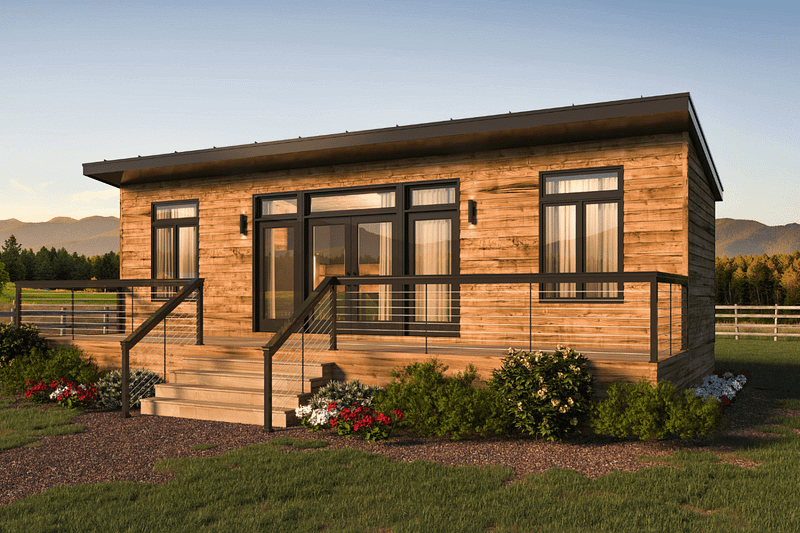
Is Tiny Living Actually Worth It
For the right person, yes. For others, no. Tiny homes aren’t a magic fix. They’re a lifestyle choice with tradeoffs.
Lower costs, simpler living, less clutter. But also tighter spaces, stricter rules, and fewer legal options. Tiny house regulations don’t bend just because you like the idea.
If you go in informed, it can work beautifully. If you don’t, it can turn stressful fast.
Final Thoughts And What To Do Next
Tiny houses aren’t going away. Cities are slowly adapting. Regulations are improving, inch by inch. But right now, knowledge is your biggest asset.
Understand tiny house regulations before you shop for a tiny home for sale. Ask hard questions. Read local codes. Talk to planning offices, even if it’s uncomfortable.
And when it comes to trailers, builds, and mobile foundations that actually hold up, don’t gamble. Visit Trailer Made Custom Trailers and work with people who understand how real-world regulations meet real-world builds.
FAQs :-
Are tiny houses legal everywhere?
No. Legality depends on local zoning, building codes, and whether the home is on wheels or a foundation.
Can I live full-time in a tiny house on wheels?
Sometimes. Many areas restrict full-time RV living. Always check local ordinances.
Do tiny homes need building permits?
Foundation-based tiny homes almost always do. Wheels-based homes often require RV certification.
Is buying a used tiny home for sale risky?
It can be if you don’t verify code compliance, trailer quality, and legal placement options.
What’s the safest way to start tiny living?
Research local tiny house regulations first, then choose a home and location that actually fit the rules.


Comments
Post a Comment